The Best Grass Types for Lawns in Cardiff
Lets look into which grass types are best suited for a healthy and lush lawn in Cardiff
Cardiff Lawn Cutting
12/20/20253 min read
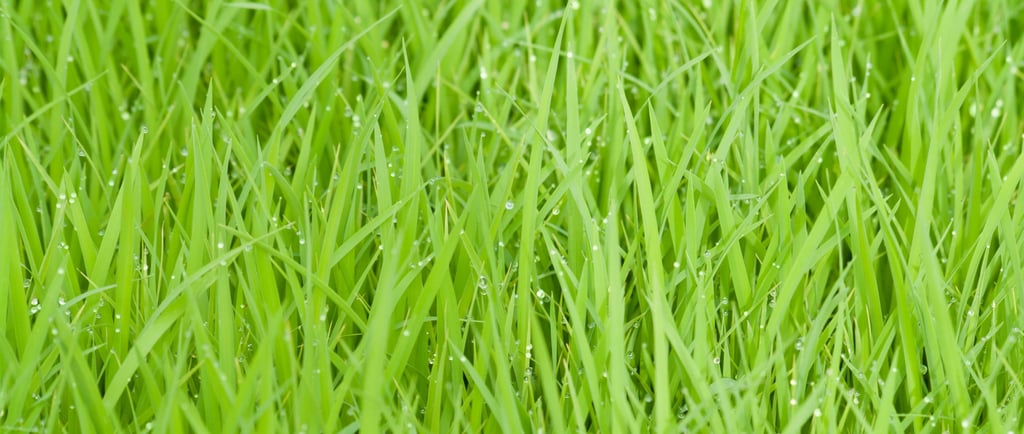

Choosing the right grass type is one of the most important decisions for creating a healthy, long-lasting lawn. In a city like Cardiff, where the climate is mild, damp, and often windy, selecting grasses suited to local conditions makes a significant difference. Cardiff’s coastal location brings relatively warm winters, cool summers, frequent rainfall, and occasional heavy foot traffic in family gardens. This combination means not all grass types perform equally well. Understanding which grasses thrive in these conditions will help you maintain a greener, more resilient lawn with less effort.
Understanding Cardiff’s Climate and Soil
Cardiff has a temperate maritime climate, typical of much of South Wales. Rainfall is spread fairly evenly throughout the year, with slightly wetter autumns and winters. Summers are rarely extremely hot, and winters are generally mild, with frost occurring but not persistently. These conditions favour cool-season grasses, which grow actively in spring and autumn and tolerate cooler temperatures well.
Soil types in Cardiff vary but are often clay-based or loamy, sometimes with poor drainage due to frequent rain. Lawns therefore benefit from grasses that tolerate moisture, resist disease, and recover well from wear.
Perennial Ryegrass (Lolium perenne)
Perennial ryegrass is one of the most popular grass types in the UK, and for good reason. It is exceptionally well suited to Cardiff’s climate.
Advantages:
Establishes quickly from seed
Highly wear-resistant, ideal for family lawns
Maintains good colour throughout most of the year
Tolerates frequent mowing
Perennial ryegrass is commonly used in hard-wearing lawns, sports pitches, and modern turf mixes. It handles foot traffic well and recovers faster than many other grasses. However, it prefers good drainage and can struggle if soil becomes waterlogged for long periods. Regular aeration helps prevent this issue.
For Cardiff gardens used by children or pets, perennial ryegrass is often the backbone of the lawn.
Chewings Fescue (Festuca rubra commutata)
Chewings fescue is a fine-leaved grass that performs well in ornamental and low-maintenance lawns.
Advantages:
Tolerates shade better than many grasses
Thrives in cooler, moist conditions
Requires less fertiliser
Produces a dense, attractive sward
This grass is slower growing than ryegrass, meaning less frequent mowing. It also copes well with Cardiff’s cloudy weather and moderate rainfall. However, it does not tolerate heavy foot traffic as well, so it is better suited to front gardens or decorative areas rather than play lawns.
Slender Creeping Red Fescue (Festuca rubra litoralis)
Slender creeping red fescue is another excellent choice for Cardiff, particularly in lawns where appearance and durability need to be balanced.
Advantages:
Forms a dense turf that suppresses weeds
Spreads naturally to repair thin areas
Tolerates coastal conditions and wind
Performs well in moist soils
Because Cardiff is close to the coast, salt-laden winds can occasionally affect lawns. Creeping red fescue handles these conditions better than many other species. It is commonly included in high-quality lawn seed mixtures to improve resilience and visual appeal.
Strong Creeping Red Fescue (Festuca rubra rubra)
Strong creeping red fescue is similar to slender creeping red fescue but has a more aggressive spreading habit.
Advantages:
Excellent ground coverage
Good tolerance to poor soils
Performs well in wetter areas
Reduces moss and weed invasion
This grass is particularly useful in lawns that suffer from patchiness due to damp conditions. Its spreading nature helps fill bare areas naturally, which is useful in Cardiff’s often wet winters.
Smooth-Stalked Meadow Grass (Poa pratensis)
Smooth-stalked meadow grass is valued for its strong root system and ability to self-repair.
Advantages:
Creates a dense, hard-wearing lawn
Excellent recovery from damage
Tolerates cold and frost well
Long-lasting once established
The downside is that it germinates slowly, often taking several weeks to establish. For this reason, it is rarely used alone and is usually combined with perennial ryegrass. In Cardiff, it performs well once established, particularly in lawns that experience regular use.
Bent Grasses (Agrostis species)
Bent grasses are commonly found in fine ornamental lawns and bowling greens, but they can also be part of specialist lawn mixes.
Advantages:
Very fine texture
Excellent colour in cool, moist conditions
Tolerates close mowing
However, bent grasses require more maintenance and are prone to thatch build-up. For most household lawns in Cardiff, they are best used sparingly within a mix rather than as the main grass type.
Best Grass Seed Mixes for Cardiff
Rather than choosing a single grass species, most lawns perform best with a balanced grass seed mixture. For Cardiff, an ideal mix often includes:
Perennial ryegrass for durability
Chewings fescue for shade tolerance and appearance
Creeping red fescue for density and moisture tolerance
Smooth-stalked meadow grass for long-term strength
This combination provides resilience against wear, resistance to damp conditions, and good year-round colour.
Conclusion
Cardiff’s mild, damp climate makes it ideal for cool-season grasses, particularly perennial ryegrass and fine fescues. By choosing grass types suited to moisture, moderate temperatures and regular use, homeowners can enjoy a lawn that remains healthy and attractive throughout the year. Whether creating a hard-wearing family lawn or a neat ornamental garden, selecting the right grass types—and using a well-balanced seed mix—is the foundation of long-term lawn success in Cardiff.
Contact
Reach out for a fresh, tidy lawn today.
Phone
07949870164
© 2026. All rights reserved.